
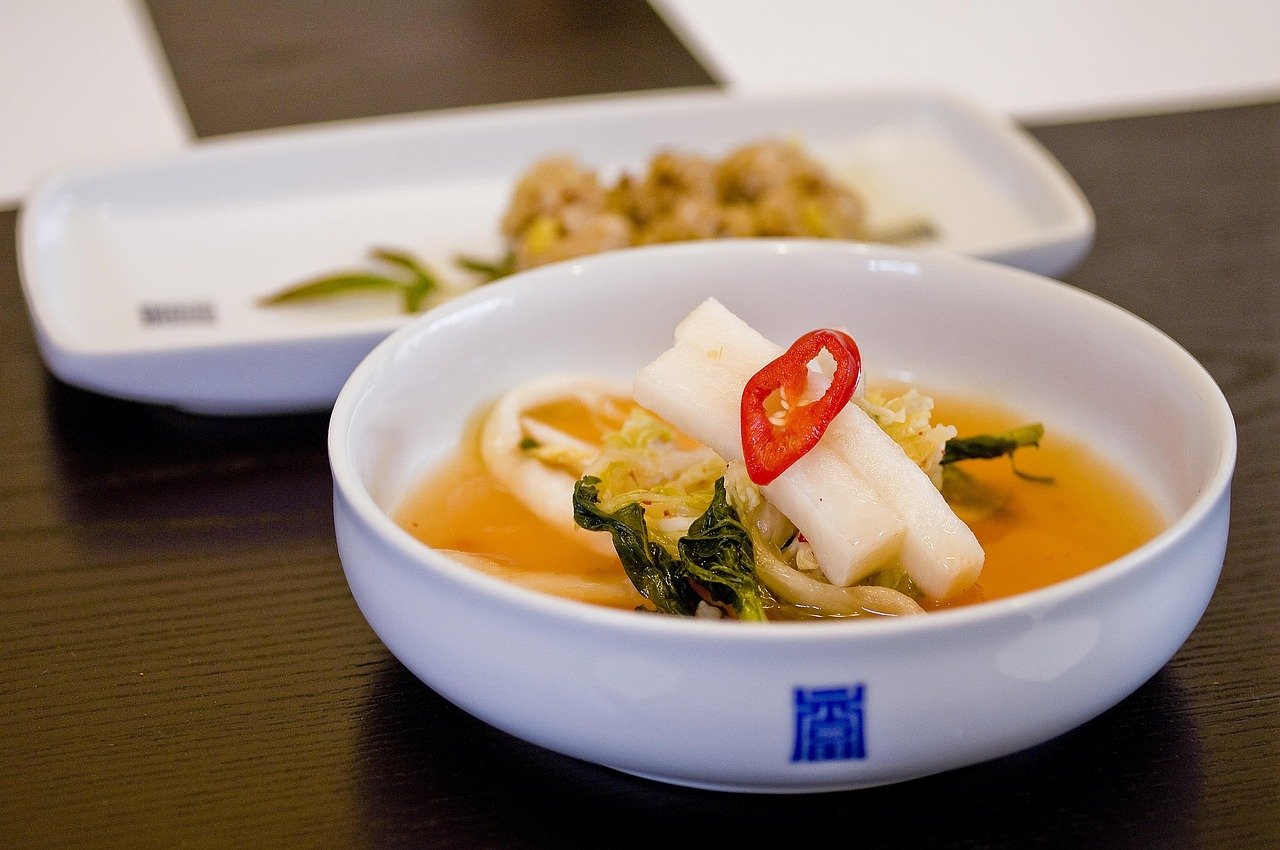
In the dynamic world of contemporary cuisine, fusion food has emerged as a groundbreaking culinary movement that transcends traditional boundaries and celebrates global interconnectedness. This innovative approach to cooking represents more than just blending ingredients; it’s a sophisticated cultural dialogue expressed through flavor, technique, and creativity. Fusion cuisine challenges conventional cooking paradigms by reimagining traditional recipes, combining unexpected ingredients, and creating entirely new gastronomic experiences that reflect our increasingly globalized world. From high-end restaurants in metropolitan cities to street food markets, fusion cooking has revolutionized how we understand, prepare, and appreciate food.
Origins and Historical Context of Fusion Cuisine
The roots of fusion cuisine can be traced back to centuries of cultural exchange, trade routes, and migration patterns. Historical interactions between civilizations, such as the Silk Road trading networks, created natural culinary crossovers where ingredients, cooking techniques, and flavor profiles were shared and transformed. Colonial expansions further accelerated these culinary interactions, introducing new spices, ingredients, and cooking methods across different regions. For instance, Portuguese traders introduced chili peppers to Indian cuisine, while British colonial influence transformed traditional Indian cooking methods. These historical exchanges laid the groundwork for modern fusion cuisine, demonstrating that culinary innovation has always been a dynamic, interconnected process.
Contemporary fusion cuisine builds upon these historical foundations, leveraging advanced culinary techniques, global ingredient accessibility, and chefs’ creative experimentation. Modern fusion represents a deliberate, artistic approach to combining diverse culinary traditions, creating dishes that are simultaneously familiar and revolutionary.
Techniques and Approaches in Modern Fusion Cooking
Successful fusion cuisine requires a deep understanding of different culinary traditions, ingredient compatibility, and sophisticated cooking techniques. Chefs must possess extensive knowledge of flavor profiles, cooking methods, and cultural nuances to create harmonious dishes that respect original culinary traditions while introducing innovative elements. Key techniques include ingredient substitution, method hybridization, and flavor reinterpretation. For example, a Korean-Mexican fusion might combine traditional Korean marinades with Mexican cooking techniques, creating a unique flavor experience that honors both culinary traditions.
Advanced fusion techniques also involve molecular gastronomy, where scientific principles are applied to transform ingredient structures and create unexpected sensory experiences. Chefs use techniques like spherification, foam creation, and precise temperature control to deconstruct and reimagine traditional dishes, pushing the boundaries of culinary creativity.
Global Fusion Food Trends and Innovations
Contemporary fusion cuisine reflects global cultural exchanges, with notable trends emerging from major metropolitan areas like New York, London, Tokyo, and Singapore. These cities serve as culinary laboratories where chefs experiment with cross-cultural cooking approaches. Trends include plant-based fusion, which combines international cooking techniques with sustainable, innovative ingredients, and technology-driven culinary experiences that leverage digital platforms for recipe sharing and global inspiration.
Notable innovations include plant-based sushi rolls incorporating non-traditional ingredients, Korean-inspired tacos, and desserts that blend European pastry techniques with Asian flavor profiles. These culinary creations demonstrate how fusion cuisine continuously evolves, challenging traditional categorizations and creating exciting new gastronomic experiences.
Cultural Significance and Social Impact
Fusion cuisine represents more than a culinary trend; it’s a powerful mechanism for cultural understanding and dialogue. By creating dishes that blend diverse culinary traditions, chefs facilitate cross-cultural communication and challenge traditional cultural boundaries. These culinary innovations provide opportunities for people to explore and appreciate different cultural perspectives through a universally understood medium: food. Fusion cooking celebrates diversity, promotes cultural exchange, and demonstrates the potential for creativity and mutual understanding.
Moreover, fusion cuisine challenges colonial culinary narratives by positioning non-Western cooking traditions as innovative and sophisticated, rather than subordinate or exotic. This approach empowers chefs from diverse backgrounds to reimagine their culinary heritage and contribute to global gastronomic conversations.
Practical Considerations and Future Directions
For aspiring fusion chefs and culinary enthusiasts, successful fusion cooking requires continuous learning, cultural respect, and creative experimentation. Recommendations include studying diverse culinary traditions, understanding ingredient interactions, and maintaining a spirit of curiosity and openness. Professional culinary programs increasingly offer specialized courses in fusion techniques, reflecting the growing importance of this innovative approach.
Future fusion cuisine will likely incorporate emerging technologies like lab-grown proteins, advanced plant-based alternatives, and sustainable cooking methods. These developments will further expand the possibilities of culinary creativity, creating exciting opportunities for chefs and food lovers worldwide.
The fusion food revolution represents a dynamic, ongoing conversation about culture, creativity, and human connection. By embracing diversity, challenging culinary conventions, and celebrating innovative cooking approaches, fusion cuisine offers a delicious metaphor for global understanding. As our world becomes increasingly interconnected, fusion food will continue to evolve, surprise, and inspire, transforming how we experience and appreciate culinary traditions.

 by
by