
Dining etiquette is more than just a set of rigid rules; it’s a sophisticated language of respect, culture, and social intelligence that transcends mere table manners. In today’s increasingly connected global society, understanding the nuanced art of dining can make the difference between feeling confident and experiencing awkward social moments. Whether you’re attending a formal business dinner, experiencing an international culinary adventure, or simply sharing a meal with friends and colleagues, mastering dining etiquette demonstrates refinement, cultural awareness, and social grace.
Understanding Global Dining Customs
Navigating international dining customs requires sensitivity, research, and an open mind. Different cultures have dramatically varied approaches to eating, from chopstick techniques in Asia to hand-eating traditions in parts of Africa and the Middle East. For instance, in Japan, slurping noodles is considered a compliment to the chef, signaling enjoyment of the meal. Conversely, in Western cultures, such behavior might be perceived as rude. Understanding these subtle differences can prevent unintentional cultural misunderstandings and demonstrate profound respect for local traditions.
Successful cross-cultural dining involves observing and adapting to local customs. Research suggests that professionals who demonstrate cultural intelligence during international dining experiences are 35% more likely to build successful business relationships. Key strategies include watching local dining companions, asking respectful questions, and being willing to learn and adapt to unfamiliar practices.
Table Setting and Utensil Etiquette
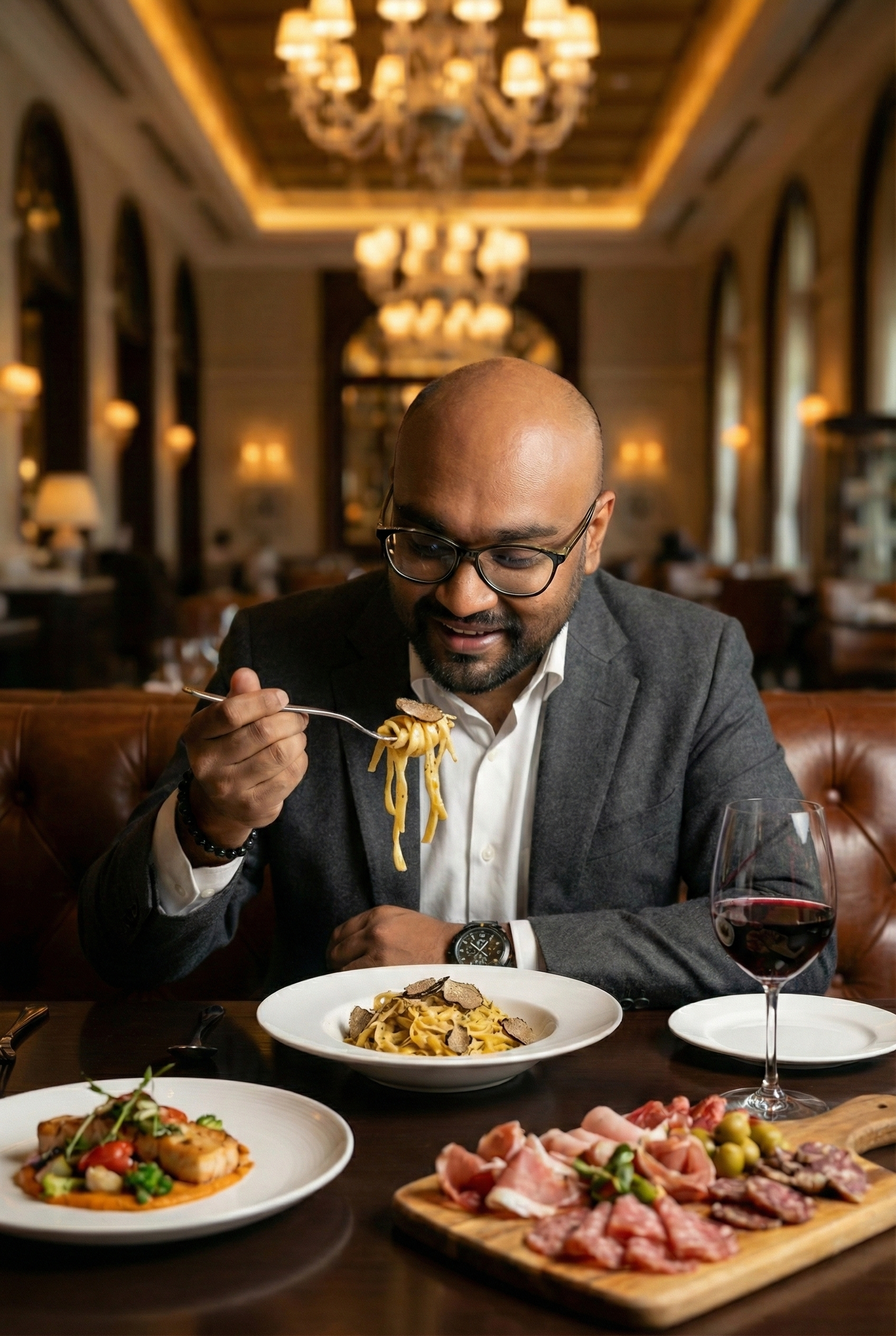
A properly set table is an art form that communicates sophistication and attention to detail. Understanding the placement of utensils, glasses, and plates can transform a simple meal into an elegant dining experience. The general rule is to work from the outside in, using utensils in the order they are placed. Forks typically remain on the left side of the plate, while knives and spoons are positioned on the right. Dessert utensils are traditionally placed horizontally above the plate, signaling the progression of the meal.
Proper utensil handling is equally important. In Western dining, the continental style involves holding the fork in the left hand and the knife in the right, while the American style alternates between cutting and switching hands. Regardless of the method, maintaining proper posture and handling utensils with grace demonstrates refinement and social awareness.
Navigating Complex Social Dining Scenarios
Complex social dining scenarios require heightened awareness and adaptability. Business lunches and dinners are particularly nuanced environments where dining etiquette can significantly impact professional relationships. Experts recommend arriving slightly early, waiting for the host to be seated, and following their lead regarding menu selection and conversation topics. Avoid discussing controversial subjects, and maintain a balance between professional discussion and social engagement.
Technological considerations have also transformed dining etiquette. Modern guidelines strongly discourage smartphone usage at the table, emphasizing the importance of personal connection and respect for dining companions. Studies indicate that 78% of professionals view excessive phone usage during meals as unprofessional and disrespectful.
Addressing Dietary Restrictions and Preferences
Contemporary dining etiquette demands sensitivity to diverse dietary requirements. With increasing awareness of food allergies, lifestyle choices, and health considerations, hosts and guests must communicate respectfully about dietary needs. When hosting, provide multiple options that accommodate various dietary restrictions. As a guest, communicate your requirements in advance and offer to bring an alternative dish if necessary.
International dining experiences further complicate dietary considerations. Understanding local ingredients, preparation methods, and cultural food practices becomes essential. For instance, vegetarian options might be limited in some cultures, requiring flexibility and advance planning.
Handling Challenging Dining Situations
Unexpected dining challenges require grace, composure, and strategic thinking. Potential scenarios like accidentally dropping utensils, spilling food, or encountering unfamiliar dishes can be navigated successfully with proper preparation. The key is to remain calm, apologize if necessary, and avoid drawing excessive attention to the incident. Keeping a small emergency kit with stain removal wipes and maintaining a sense of humor can transform potentially embarrassing moments into opportunities for social connection.
Cultural intelligence plays a crucial role in managing challenging dining situations. Understanding that mistakes happen and demonstrating genuine respect and willingness to learn can often turn potential awkwardness into meaningful cultural exchange.
Conclusion: Mastering the Art of Dining
Mastering dining etiquette is a lifelong journey of learning, adaptation, and cultural appreciation. By approaching each dining experience with curiosity, respect, and openness, individuals can transform meals from mere nutritional necessities into opportunities for connection, understanding, and personal growth. Remember that etiquette is not about perfection but about demonstrating consideration for others, embracing cultural diversity, and creating meaningful social experiences. Whether you’re navigating a formal state dinner or sharing a casual meal with friends, your approach to dining can speak volumes about your character, sophistication, and social intelligence.

 by
by