
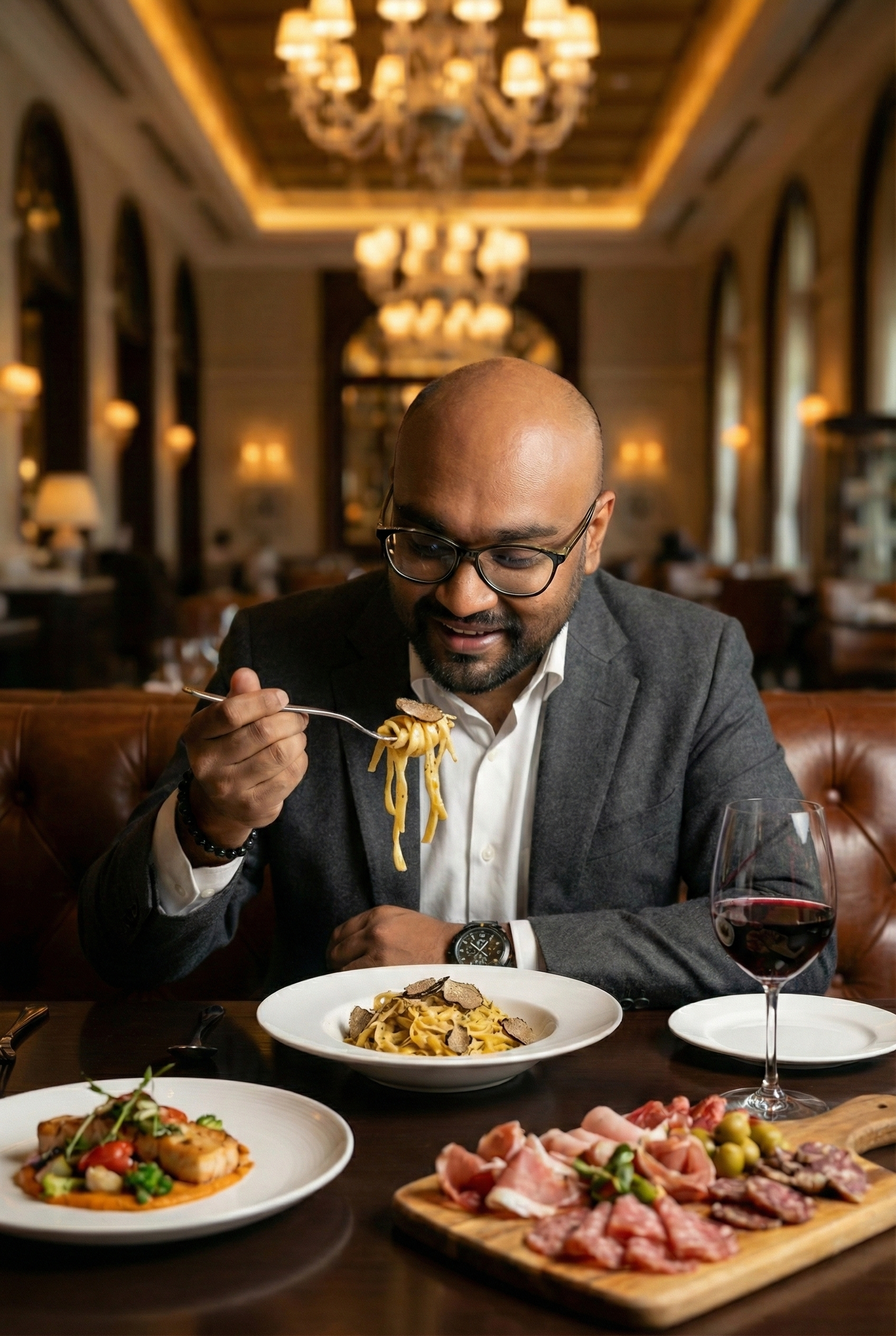
In today’s rapidly evolving culinary landscape, food discovery has transformed from a simple act of eating to an immersive, multisensory experience that connects individuals with global cultures, innovative techniques, and extraordinary flavors. As technology, social media, and globalization continue to reshape our relationship with food, the art of discovering new culinary experiences has become more accessible, exciting, and complex than ever before. Modern food enthusiasts are no longer content with traditional dining experiences; they seek authentic, unique, and transformative gastronomic journeys that challenge their palates and expand their cultural understanding.
The Digital Revolution in Food Exploration
The digital era has fundamentally revolutionized how we discover and interact with food. Mobile applications, social media platforms, and online communities have democratized culinary exploration, enabling food lovers to access unprecedented levels of information and inspiration. Platforms like Instagram, TikTok, and specialized food discovery apps provide real-time insights into global cuisines, hidden culinary gems, and emerging food trends. These digital tools allow users to explore restaurant recommendations, read detailed reviews, view high-resolution food imagery, and connect with like-minded culinary enthusiasts from around the world.
Statistics reveal that approximately 69% of millennials and Gen Z consumers use social media platforms as their primary source of restaurant and food discovery. Advanced algorithms and personalized recommendation systems further enhance this experience, curating content based on individual preferences, dietary restrictions, and past interactions. This technological integration has transformed food exploration from a passive activity to an interactive, engaging experience that empowers consumers to make informed dining decisions.
Cultural Immersion Through Culinary Experiences
Food discovery extends far beyond mere consumption; it represents a profound method of cultural understanding and connection. Each dish tells a story of heritage, tradition, and geographical context, offering individuals an opportunity to explore diverse cultural narratives through their taste buds. Culinary tourism has emerged as a significant global trend, with travelers specifically seeking destinations that offer unique and authentic food experiences. Immersive food tours, cooking classes, and local market explorations provide travelers with intimate insights into regional cuisines, agricultural practices, and cultural traditions.
Anthropological research suggests that food serves as a powerful communication medium, transcending linguistic and geographical barriers. By engaging with local culinary practices, individuals develop deeper cross-cultural appreciation and understanding. Contemporary food discovery encourages travelers and food enthusiasts to move beyond superficial interactions, promoting meaningful connections with local communities and their gastronomic traditions.
Emerging Culinary Technologies and Innovations
Technological advancements are continuously reshaping the food discovery landscape, introducing innovative methods of exploring and experiencing cuisine. Augmented reality (AR) applications now allow users to visualize dishes before ordering, providing detailed ingredient breakdowns, nutritional information, and interactive cooking demonstrations. Artificial intelligence-powered platforms can generate personalized recipe recommendations based on dietary preferences, ingredient availability, and nutritional requirements.
Emerging technologies like blockchain are also transforming food traceability, enabling consumers to track the origin and journey of ingredients with unprecedented transparency. These innovations not only enhance the food discovery process but also promote sustainable and ethical consumption practices. Virtual reality experiences now allow individuals to explore international kitchens, participate in global cooking classes, and experience culinary traditions from the comfort of their homes.
Sustainable and Ethical Food Exploration
Modern food discovery increasingly emphasizes sustainability, ethical sourcing, and environmental consciousness. Consumers are demonstrating growing interest in understanding the ecological footprint of their culinary choices, seeking restaurants and producers committed to responsible practices. Farm-to-table movements, regenerative agriculture, and plant-based innovations have gained significant momentum, reflecting a broader shift towards more mindful food consumption.
Numerous studies indicate that younger generations prioritize sustainability when making dining and food purchasing decisions. This trend has encouraged restaurants, food producers, and agricultural systems to adopt more transparent and environmentally friendly practices. Food discovery now encompasses not just taste and experience but also the broader impact of culinary choices on global ecosystems and communities.
The Future of Personalized Food Experiences
As technology and data analytics continue to advance, food discovery is becoming increasingly personalized and tailored to individual preferences. Genetic testing, microbiome analysis, and advanced nutritional science are enabling more precise dietary recommendations. Consumers can now access highly customized meal plans, ingredient suggestions, and culinary experiences that align with their unique physiological requirements and taste preferences.
Artificial intelligence and machine learning algorithms will play a crucial role in future food discovery platforms, providing increasingly sophisticated and nuanced recommendations. These technologies will not only suggest dishes but also predict potential flavor combinations, recommend cooking techniques, and create truly personalized culinary experiences that cater to individual tastes and health goals.
The world of food discovery represents an exciting, dynamic landscape that continues to evolve with technological innovations, cultural exchanges, and changing consumer preferences. By embracing curiosity, openness, and a willingness to explore, individuals can transform eating from a mundane necessity into an extraordinary journey of sensory exploration, cultural understanding, and personal growth. As we move forward, the boundaries between technology, culture, and culinary experiences will continue to blur, offering unprecedented opportunities for global connection and gastronomic adventure.

 by
by