
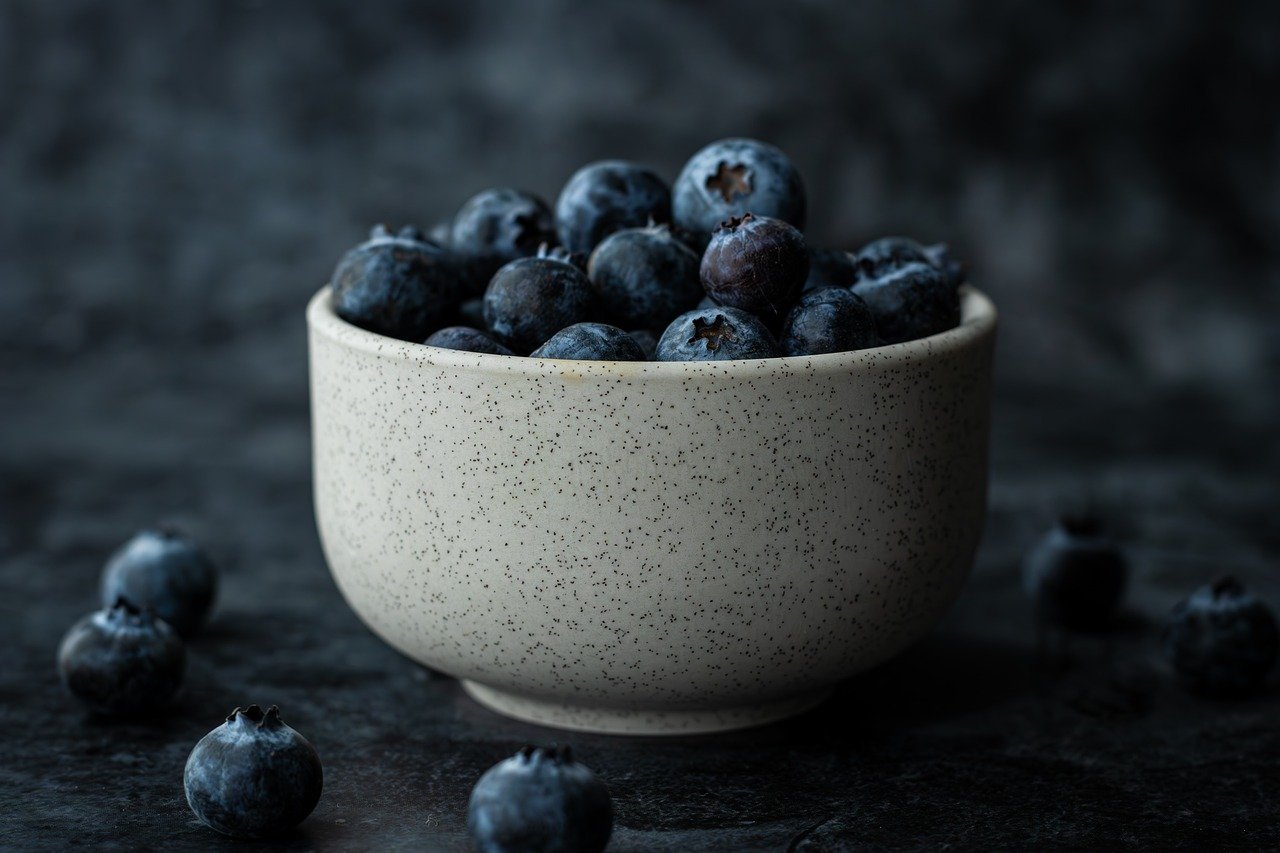
Food photography has transformed from a niche skill to a global art form, driven by social media platforms and the rising popularity of culinary content. In today’s digital landscape, creating stunning food images is no longer just a hobby for professional photographers, but an essential skill for chefs, restaurateurs, food bloggers, and social media influencers. Whether you’re looking to showcase your restaurant’s cuisine, build a compelling food blog, or simply capture the beauty of your home-cooked meals, understanding the fundamentals of food photography can elevate your visual storytelling and engage audiences like never before.
Essential Equipment for Food Photography
Selecting the right equipment is crucial for creating professional-quality food images. While professional photographers often use high-end DSLR cameras, beginners can achieve remarkable results with modern smartphones equipped with advanced camera technologies. A good camera or smartphone with manual settings, a sturdy tripod, and versatile lenses are foundational investments. Macro lenses are particularly valuable for capturing intricate food details, allowing photographers to highlight texture, color, and subtle nuances that make dishes visually compelling.
When choosing equipment, consider factors like sensor quality, low-light performance, and flexibility in manual settings. Prime lenses with wide apertures (f/1.8 or f/2.8) provide excellent depth of field and allow more creative control over image composition. Additional recommended accessories include reflectors for managing light, a variety of backgrounds and surfaces, and diffusers to soften harsh lighting conditions.
Lighting Techniques and Strategies
Lighting is arguably the most critical element in food photography, capable of transforming an ordinary image into a visually stunning masterpiece. Natural light remains the preferred choice for many photographers, offering soft, flattering illumination that highlights food’s natural colors and textures. Position your setup near large windows with indirect sunlight, avoiding harsh direct rays that can create unflattering shadows or wash out delicate food details.
When natural light isn’t available, invest in professional lighting equipment like continuous LED panels or softbox setups. These tools provide consistent, controllable illumination that mimics natural light. Experiment with side lighting and backlighting to create depth and dimensionality. Reflectors and white cards can help bounce light, fill shadows, and create a balanced, professional look that makes food appear appetizing and beautifully presented.
Composition and Styling Techniques
Effective food photography goes beyond technical skills, requiring a keen understanding of composition and styling. The rule of thirds remains a fundamental principle, helping photographers create balanced, visually engaging images. Experiment with different angles – overhead shots work brilliantly for flat dishes like pizzas or salads, while45-degree angles can showcase height and layers in more complex culinary creations.
Props and styling elements play a crucial role in storytelling. Select complementary backgrounds, utensils, and garnishes that enhance rather than overwhelm the primary subject. Neutral tones like whites, grays, and earth tones often work best, allowing the food to remain the focal point. Consider texture, color contrast, and negative space to create visually compelling narratives that draw viewers into the culinary experience.
Post-Processing and Editing Fundamentals
Post-processing transforms good photographs into extraordinary visual stories. Professional editing software like Adobe Lightroom and Capture One provide comprehensive tools for adjusting exposure, color balance, and enhancing subtle details. Focus on maintaining food’s natural appearance while subtly enhancing its visual appeal. Avoid over-editing, which can make images look artificial and unappetizing.
Key editing techniques include adjusting white balance to ensure accurate color representation, enhancing contrast to make images pop, and selectively improving clarity and texture. Learn to use adjustment brushes for targeted enhancements, and experiment with subtle color grading to create a consistent visual aesthetic across your portfolio. Understanding color theory and maintaining a cohesive editing style can significantly elevate your food photography.
Advanced Styling and Professional Techniques
Professional food photographers often employ specialized techniques to make dishes look more appealing. Using glycerin or water sprays can create realistic moisture effects, while carefully placed garnishes and strategic plating can transform ordinary meals into visual masterpieces. Understand the importance of food styling techniques like using tweezers for precise placement and selecting the most photogenic ingredients.
Consider investing time in learning food styling workshops or online courses that provide insider techniques used by professional food photographers. Understanding how to work with different food textures, manage melting or wilting ingredients, and create visually dynamic compositions separates amateur photographers from true professionals.
Mastering food photography is a journey of continuous learning and creative exploration. By understanding technical fundamentals, developing a unique visual style, and practicing consistently, you can transform ordinary meals into extraordinary visual narratives. Remember that great food photography tells a story, evokes emotion, and celebrates the artistry of culinary creation. Start experimenting, stay curious, and let your passion for food and photography guide your creative journey.

 by
by