
Human migration represents one of the most profound catalysts for culinary transformation throughout recorded history. As populations move across continents, they carry with them not just personal belongings, but intricate culinary traditions, ingredients, cooking techniques, and flavor profiles that fundamentally reshape the global food landscape. These migrations are not merely geographical movements but complex cultural exchanges that redefine how societies understand, prepare, and experience food. From ancient trade routes to contemporary global migrations, the interplay between human movement and culinary evolution has created a rich, interconnected tapestry of gastronomic diversity that continues to surprise and delight food enthusiasts worldwide.
Historical Migration and Culinary Transformation
Throughout history, migration has been a critical driver of culinary innovation and cultural exchange. The Silk Road, for instance, was not just a trading route for spices and textiles, but a profound conduit for gastronomic transformation. Traders and travelers transported not only goods but entire culinary traditions, introducing new ingredients, cooking methods, and flavor combinations across vast geographical regions. Spices from India dramatically changed European cuisine, while Middle Eastern cooking techniques revolutionized Mediterranean food preparation. These exchanges were not instantaneous but gradual processes of adaptation, negotiation, and integration that fundamentally reshaped regional food cultures.
Archaeological and anthropological evidence suggests that migration-driven food exchanges date back thousands of years. The Columbian Exchange, which began in the late 15th century, represents one of the most significant culinary migrations in human history. Tomatoes from the Americas transformed Italian cuisine, while potatoes from South America became a staple in European diets. These ingredient migrations fundamentally altered agricultural practices, nutritional patterns, and culinary identities across multiple continents.
Immigrant Communities and Culinary Innovation
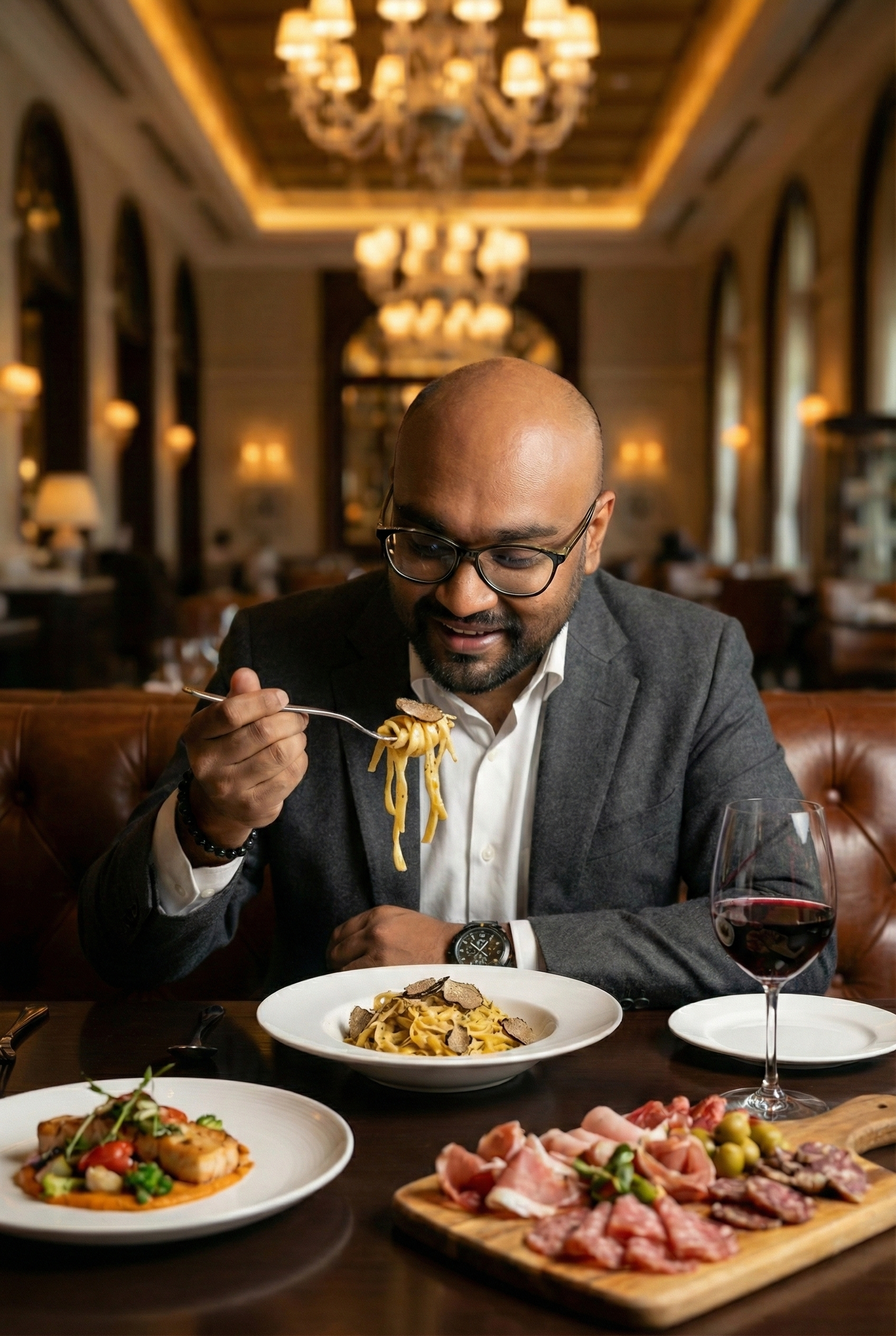
Immigrant communities have consistently been at the forefront of culinary innovation, creating fusion cuisines that blend traditional recipes with local ingredients and techniques. In the United States, this phenomenon is particularly evident, where immigrant groups have introduced and adapted their traditional foods to create entirely new culinary experiences. Chinese-American cuisine, for example, emerged from immigrant adaptations that transformed traditional Chinese cooking methods to suit American ingredient availability and taste preferences. Similarly, Mexican-American cuisine represents a dynamic fusion of indigenous, Spanish, and contemporary American culinary influences.
These culinary transformations are not just about food but represent complex narratives of cultural resilience, adaptation, and identity. Immigrant communities often use food as a powerful medium for preserving cultural heritage while simultaneously integrating into new societal contexts. Restaurants, food markets, and family recipes become spaces of cultural memory and ongoing negotiation, where traditional practices are maintained and reimagined.
Technological and Economic Influences on Food Migration
Modern technological advancements and globalized economic systems have dramatically accelerated food migration processes. Improved transportation, refrigeration technologies, and international trade networks enable unprecedented ingredient mobility. Ingredients that were once regionally specific can now be sourced globally within days, fundamentally changing how cuisines develop and interact. Supermarkets in North America can now offer fresh mangoes from India, Chilean wine, and Japanese seafood, creating a global culinary marketplace that was unimaginable just decades ago.
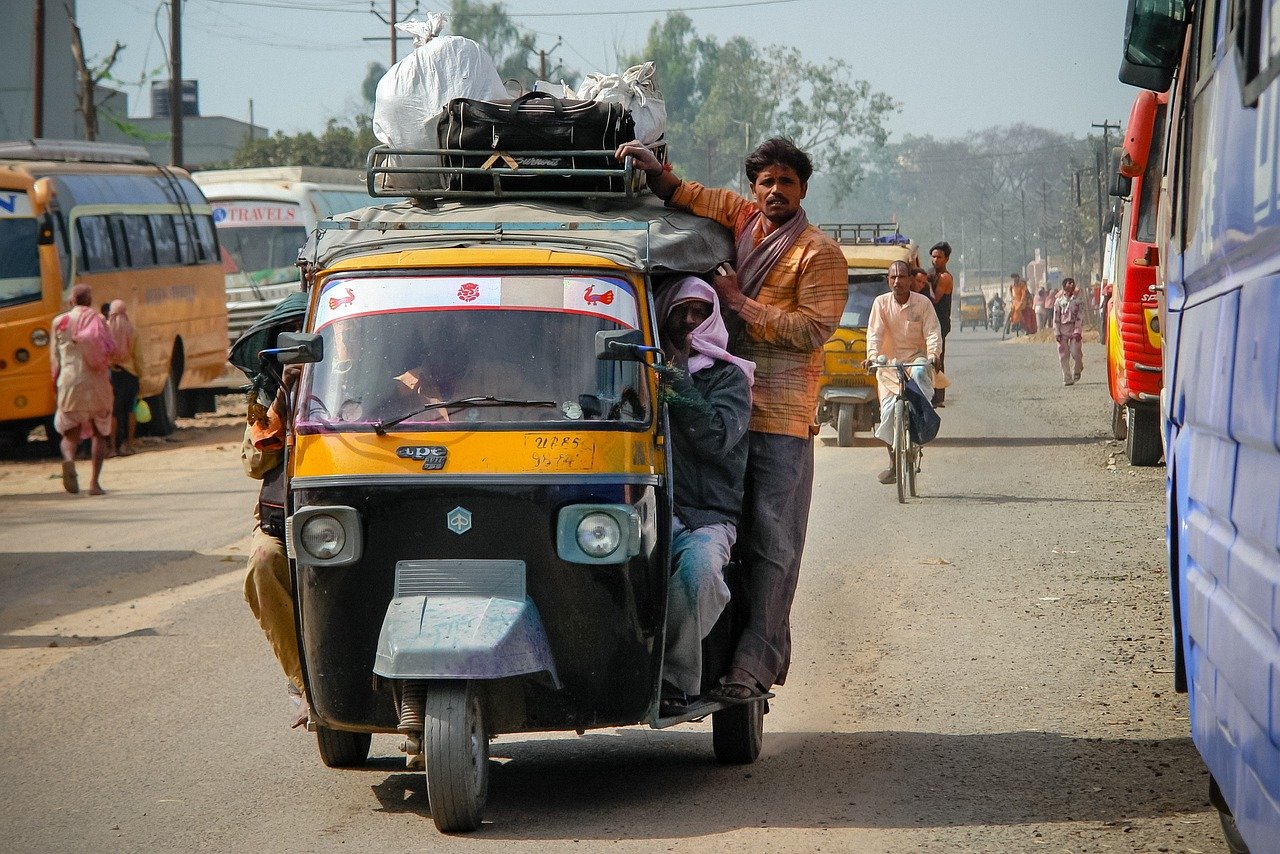
Economic migration has also played a crucial role in these transformations. As workers move across borders, they bring not just labor skills but entire culinary ecosystems. Vietnamese immigrants in Germany, Indian communities in the United Kingdom, and Mexican workers in the United States have all contributed to profound shifts in local food landscapes, introducing new restaurants, ingredients, and cooking styles that become integrated into mainstream culinary cultures.
Cultural Preservation and Adaptation
Food represents a critical mechanism for cultural preservation among migrant communities. Traditional recipes become powerful links to ancestral homelands, maintaining cultural identities in new geographical contexts. Simultaneously, these recipes undergo fascinating transformations, adapting to local ingredient availability, dietary preferences, and cooking technologies. This process of culinary negotiation ensures that food traditions remain dynamic and responsive to changing social environments.
Diaspora communities often become crucial repositories of culinary knowledge, maintaining and evolving traditional cooking practices. Cookbooks, family recipes, and community gatherings become important sites of cultural transmission, where traditional techniques are documented, shared, and reimagined. These practices ensure that culinary traditions are not static but continuously evolving expressions of cultural identity.
Future of Global Culinary Landscapes
As global migration continues to increase, culinary landscapes will become increasingly complex and interconnected. Emerging technologies like vertical farming, lab-grown proteins, and advanced food preservation techniques will further transform how ingredients are produced, transported, and experienced. Climate change may also drive significant migrations that reshape agricultural practices and food production systems, creating new culinary adaptations and innovations.
The future of global cuisine lies in its ability to embrace complexity, diversity, and continuous transformation. Food will increasingly become a powerful medium for cross-cultural understanding, challenging traditional boundaries and creating new, hybrid culinary experiences that reflect our interconnected global reality.
Understanding migration’s impact on food culture reveals a profound narrative of human adaptation, creativity, and resilience. Each recipe tells a story of movement, exchange, and transformation—a testament to humanity’s remarkable ability to create beauty and meaning through cultural interaction. As we continue to move, mix, and reimagine our culinary traditions, we contribute to an ongoing global conversation that transcends geographical boundaries and celebrates our shared human experience.

 by
by