
In the competitive landscape of food businesses, pricing is far more than a simple mathematical calculation. It’s a sophisticated psychological strategy that can dramatically influence consumer behavior, perception, and purchasing decisions. Understanding the intricate nuances of pricing psychology can transform how restaurants, cafes, food trucks, and other culinary enterprises approach their pricing models. This comprehensive exploration will delve into the complex world of psychological pricing techniques, revealing how subtle changes in pricing strategy can yield significant improvements in revenue, customer attraction, and overall business success.
The Fundamentals of Psychological Pricing
Psychological pricing represents a strategic approach that goes beyond basic cost-plus calculations. By leveraging cognitive biases and human decision-making patterns, businesses can create pricing structures that appear more attractive and compelling to potential customers. The most classic example is the ‘.99’ pricing technique, where a product priced at $9.99 seems substantially cheaper than $10, despite the minimal difference. This strategy exploits the human tendency to process information from left to right, making the first digit disproportionately influential in perception.
Research consistently demonstrates the profound impact of psychological pricing. Studies show that prices ending in ‘.99’ can increase sales by up to 24% compared to rounded price points. Moreover, these pricing strategies tap into deeply ingrained cognitive shortcuts that consumers unconsciously utilize when making purchasing decisions. Successful food businesses understand that pricing is not just about covering costs, but about creating a narrative and emotional connection with potential customers.
Anchoring and Comparative Pricing Techniques
Anchoring represents a powerful psychological pricing mechanism where initial price references dramatically influence subsequent purchasing decisions. In food businesses, this can be strategically implemented by presenting multiple price points that guide customers toward desired selections. For instance, a menu might feature a high-priced premium item next to a moderately priced recommended dish, making the latter seem like an excellent value proposition. This technique subtly nudges consumers toward specific choices while maintaining the perception of informed decision-making.
Comparative pricing strategies further enhance this approach by creating deliberate price contrasts. Restaurants can strategically position menu items to highlight perceived value. A $15 burger might seem more appealing when placed alongside a $22 premium option, even if the less expensive item remains the most profitable. These nuanced pricing techniques leverage cognitive biases to guide customer perceptions and optimize revenue potential.
Emotional Value and Price Perception
Beyond numerical calculations, pricing in food businesses involves significant emotional components. Customers don’t just purchase food; they invest in experiences, memories, and perceived quality. Premium pricing can actually enhance perceived value, signaling excellence and exclusivity. Conversely, prices that appear too low might inadvertently suggest inferior quality or questionable ingredients. Successful establishments carefully calibrate pricing to communicate brand positioning, culinary expertise, and overall dining experience.
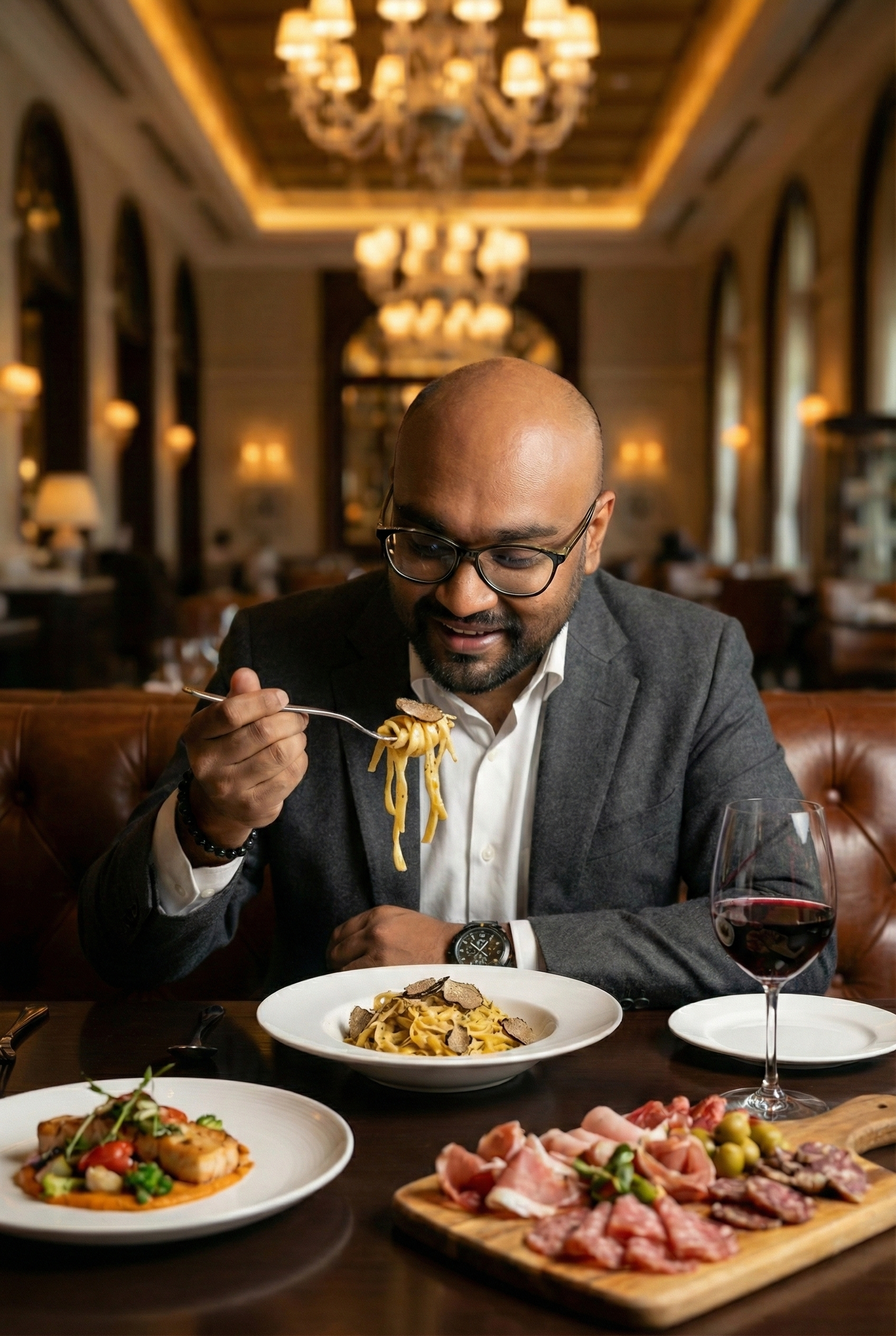
Luxury food brands often utilize this emotional pricing strategy brilliantly. High-end restaurants don’t merely sell meals; they offer curated experiences that justify premium pricing. The price becomes part of the narrative, creating anticipation and excitement before the first bite is even consumed. Understanding this emotional dimension allows food businesses to transcend transactional relationships and build deeper, more meaningful connections with their clientele.
Technology and Dynamic Pricing Strategies
Modern technology has revolutionized pricing approaches, enabling sophisticated dynamic pricing models. Advanced algorithms can now adjust prices in real-time based on demand, time of day, seasonal variations, and competitive landscapes. Food delivery platforms and innovative restaurants are increasingly leveraging these technologies to optimize pricing strategies. Machine learning models can predict consumer behavior, recommend optimal price points, and maximize revenue potential with unprecedented precision.
Digital platforms provide unprecedented insights into consumer preferences and purchasing patterns. By analyzing vast datasets, businesses can develop hyper-personalized pricing strategies that adapt instantaneously to market conditions. These technological advances transform pricing from a static concept to a dynamic, responsive mechanism that continuously evolves to meet changing consumer expectations.
Cultural and Psychological Considerations
Pricing psychology varies significantly across different cultural contexts. What works in one market might prove ineffective or even counterproductive in another. Successful food businesses must develop nuanced, culturally sensitive pricing strategies that respect local preferences and economic realities. Understanding regional psychological triggers, spending habits, and value perceptions becomes crucial in developing effective pricing models.
Moreover, generational differences play a substantial role in pricing perception. Millennials and Gen Z consumers often prioritize authenticity, sustainability, and experiential value over pure price considerations. They are more likely to pay premium prices for experiences that align with their values, demonstrating that pricing is increasingly about storytelling and brand alignment.
Conclusion: Strategic Pricing as a Competitive Advantage
Mastering psychological pricing represents a sophisticated art form that combines economic principles, cognitive psychology, and strategic communication. Successful food businesses recognize that pricing is not merely about covering costs, but about creating compelling narratives that resonate with target audiences. By understanding and implementing advanced psychological pricing techniques, establishments can transform pricing from a mundane calculation into a powerful strategic tool. The most successful enterprises will be those that view pricing as a dynamic, holistic approach to customer engagement, continuously adapting and refining their strategies to meet evolving market demands.

 by
by