
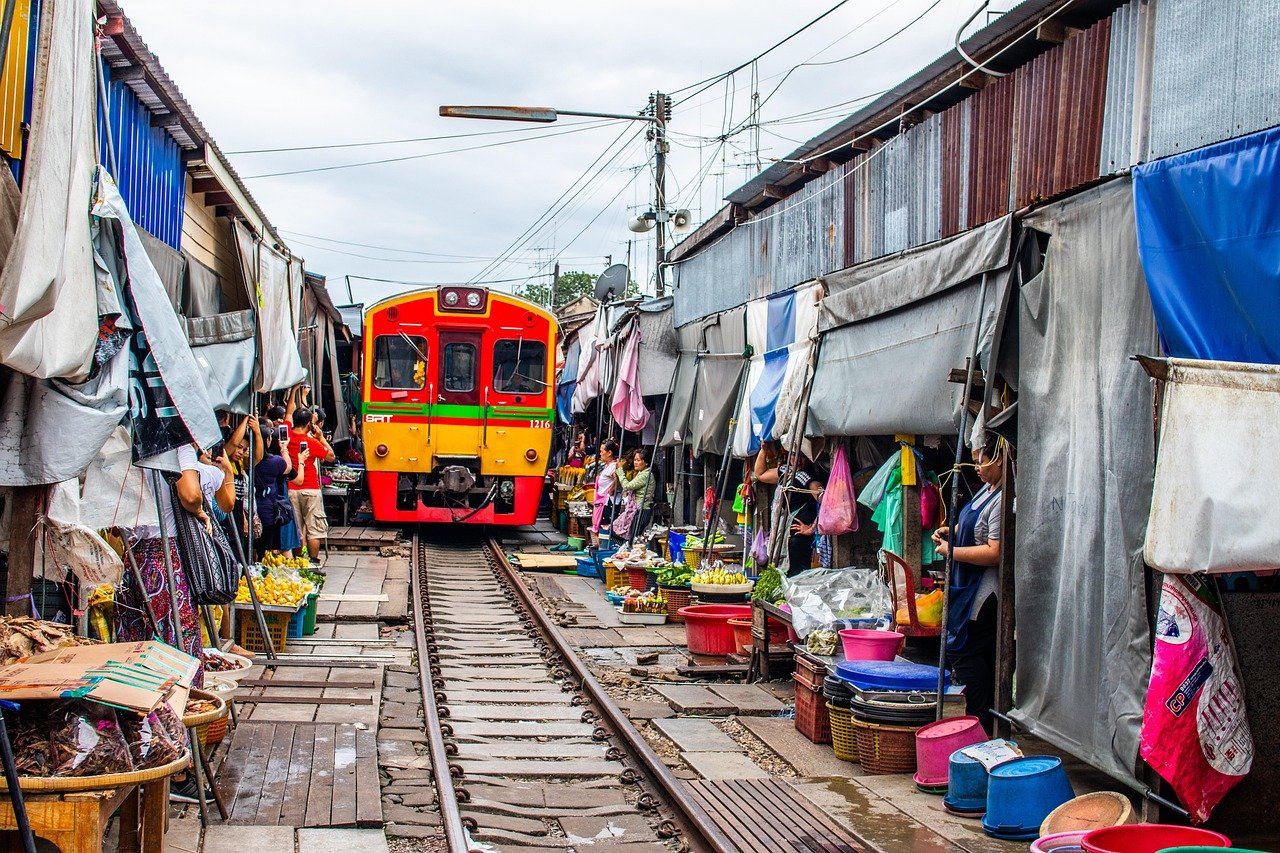
Railway stations have long been more than just transit points; they are vibrant cultural hubs where culinary traditions converge, creating a unique and dynamic food ecosystem that reflects local flavors, regional diversity, and the fast-paced nature of modern travel. From bustling platforms in Mumbai to historic stations in Europe, these transportation nexus points offer a fascinating glimpse into the intersection of mobility, convenience, and gastronomic experience. Railway station food culture represents a complex landscape of quick bites, regional specialties, and evolving culinary traditions that serve millions of travelers daily.
Historical Evolution of Railway Station Cuisine
The origins of railway station food can be traced back to the early days of rail transportation in the 19th century. Initially, station food was rudimentary and focused purely on practicality—simple sandwiches, basic refreshments, and minimal meal options designed to quickly satisfy hungry travelers. As rail networks expanded globally, so did the sophistication of station food offerings. European stations began developing more elaborate dining facilities, while Asian railway systems integrated local street food traditions into their culinary landscapes.
In countries like India, railway stations became microcosms of regional culinary diversity. Vendors selling chai, samosas, and local snacks transformed platforms into dynamic food markets. The British colonial influence further shaped station food culture, introducing standardized food services and creating a unique blend of traditional and colonial culinary practices.
Regional Diversity and Local Flavors
Each railway station represents a unique culinary microcosm, reflecting local ingredients, cooking techniques, and cultural preferences. In South India, stations offer crispy dosas and filter coffee, while North Indian platforms feature stuffed parathas and spicy chaat. Japanese stations are renowned for their immaculate bento boxes and high-quality packaged meals, representing precision and efficiency in food preparation.
European railway stations showcase regional variations—German stations offer hearty bratwurst and pretzels, while Italian platforms feature fresh panini and espresso. These localized food experiences transform mundane travel into a gastronomic exploration, allowing travelers to sample authentic regional cuisines within minutes of boarding their trains.
Modern Technology and Food Services
Digital technology has revolutionized railway station food services, introducing mobile ordering, contactless payments, and sophisticated tracking systems. Many modern stations now feature smartphone apps allowing passengers to pre-order meals, select specific dietary requirements, and have food delivered directly to their train compartments. This technological integration has dramatically improved food quality, hygiene standards, and overall customer experience.
Advanced food preparation techniques, including centralized commissary kitchens and standardized quality control measures, have significantly enhanced the reliability and consistency of railway station food. Machine learning algorithms now help predict passenger preferences, optimize menu offerings, and reduce food waste in these high-traffic environments.
Health and Sustainability Considerations
Contemporary railway station food culture increasingly emphasizes health-conscious and sustainable options. Many stations now offer organic, locally sourced ingredients, vegetarian and vegan choices, and nutritionally balanced meals. Environmental considerations have prompted initiatives like reducing single-use plastics, implementing recycling programs, and supporting local agricultural ecosystems.
Nutritionists and food designers collaborate to create meals that balance convenience, taste, and nutritional value. Gluten-free, low-sodium, and allergen-friendly options are becoming standard offerings, reflecting a more inclusive approach to traveler nutrition.
Economic and Social Dimensions
Railway station food represents a significant economic ecosystem, supporting thousands of small vendors, local businesses, and large catering enterprises. These food services create employment opportunities, support local agricultural supply chains, and contribute to regional economic development. Street vendors, small restaurants, and large catering companies all play crucial roles in this complex culinary landscape.
Beyond economic impact, station food serves important social functions—providing affordable meals, creating community gathering spaces, and preserving culinary traditions. The interactions between vendors, travelers, and local communities transform railway stations into dynamic social environments that extend far beyond mere transportation infrastructure.
Railway station food culture represents a fascinating intersection of mobility, technology, regional identity, and culinary innovation. As transportation systems continue evolving, so too will the gastronomic experiences they offer. Travelers can look forward to increasingly sophisticated, diverse, and personalized food options that transform the simple act of eating during transit into a rich, memorable experience. The future of railway station cuisine promises even greater integration of technology, sustainability, and cultural diversity.


 by
by