
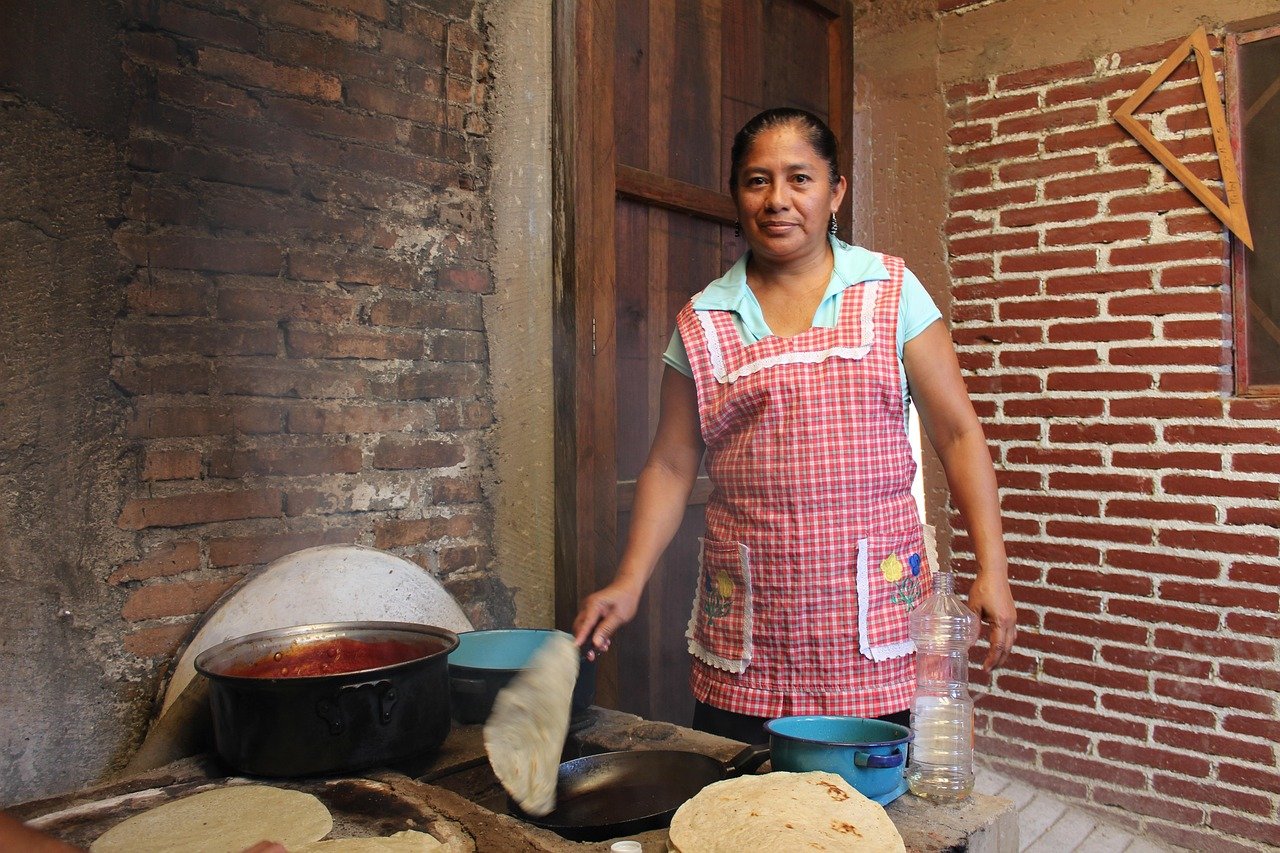
Food is far more than mere sustenance; it is a profound expression of cultural identity, history, and community. Regional food culture represents a complex tapestry of culinary traditions that reflect the unique geographical, historical, and social landscapes of different areas. From the spice-rich cuisines of Southeast Asia to the hearty comfort foods of the American Midwest, each region tells a story through its distinctive flavors, ingredients, and cooking techniques. These culinary traditions are not static artifacts but living, evolving expressions of cultural heritage that continue to adapt and transform while maintaining deep connections to their roots.
The Historical Roots of Regional Cuisine
Regional food cultures emerge from intricate historical processes that blend environmental conditions, agricultural practices, migration patterns, and cultural exchanges. For centuries, local populations developed unique culinary traditions based on available ingredients, climate constraints, and technological capabilities. In mountainous regions like the Swiss Alps, high-altitude communities created preservation techniques like cheese-making and cured meats to survive harsh winters. Coastal communities developed sophisticated seafood preparation methods, while agricultural societies created complex grain-based dishes that could feed large populations efficiently.
Archaeological evidence suggests that regional food traditions often date back thousands of years, with some cooking techniques remaining remarkably consistent across generations. Indigenous communities worldwide have maintained sophisticated food preservation and preparation methods that demonstrate remarkable culinary intelligence and adaptability.
Geographical Influences on Food Culture
Geography plays a critical role in shaping regional food cultures, determining not just available ingredients but also cooking techniques and dietary patterns. Tropical regions with year-round growing seasons develop dramatically different culinary traditions compared to areas with extreme seasonal variations. Mediterranean coastal areas benefit from abundant seafood and olive cultivation, creating a cuisine characterized by fresh ingredients and light preparation methods. In contrast, Nordic regions developed preservation techniques like smoking and pickling to manage limited growing seasons and ensure food security.
Climate significantly impacts ingredient selection and cooking methods. Arid regions often develop dishes that maximize water conservation, while humid areas might emphasize fresh, moisture-rich ingredients. These geographical constraints have led to incredible culinary innovations that reflect human adaptability and creativity.
Cultural Exchange and Culinary Evolution
Global migration and trade have profoundly transformed regional food cultures, creating dynamic culinary landscapes that blend traditional techniques with innovative influences. Colonial histories, trade routes, and population movements have introduced new ingredients and cooking methods that reshape local food traditions. The introduction of chilies to Asian cuisine from the Americas, or tomatoes to European cooking, represents how cultural exchanges can fundamentally alter regional culinary practices.
Modern globalization has accelerated these exchanges, allowing cuisines to cross traditional boundaries more rapidly than ever before. Contemporary chefs increasingly experiment with fusion techniques, creating exciting new culinary expressions that honor traditional roots while embracing global influences.
Preservation of Traditional Culinary Knowledge
As global food systems become increasingly standardized, many communities are actively working to preserve traditional culinary knowledge. Slow food movements, UNESCO cultural heritage designations, and local cooking schools play crucial roles in maintaining regional food traditions. These efforts recognize that culinary practices represent more than just nutrition—they are living cultural archives that connect communities to their historical identities.
Intergenerational knowledge transfer remains critical in maintaining these culinary traditions. Grandparents teaching grandchildren traditional recipes, local cooking workshops, and community food festivals all contribute to preserving unique regional food cultures.
Economic and Social Dimensions of Regional Cuisine
Regional food cultures have significant economic implications, driving tourism, supporting local agricultural systems, and creating unique market opportunities. Culinary tourism has emerged as a major global industry, with travelers specifically seeking authentic regional food experiences. Regions like Tuscany in Italy or Oaxaca in Mexico have built entire economic ecosystems around their distinctive food traditions, attracting global attention and generating substantial economic value.
Furthermore, regional cuisines serve important social functions, creating community bonds, marking cultural celebrations, and providing a sense of collective identity. Traditional feast days, communal cooking practices, and shared meal rituals demonstrate how food transcends mere nutritional function to become a powerful social mechanism.
Understanding regional food cultures reveals the profound complexity of human culinary traditions. These dynamic systems represent much more than recipes—they are living narratives of human adaptation, creativity, and cultural resilience. By appreciating the rich diversity of global food traditions, we gain deeper insights into human experience, celebrating the remarkable ways communities express their identities through the universal language of food.


 by
by